
You have dropped more money on a bad Tuesday than most punters spend on a whole season, and the maths still hurts. We are talking about the kind of loss that makes you stare at the ceiling while the kettle boils, wondering where the edge slipped away. That sting is exactly why a sleek design casino release Australia matters more than the flashy welcome bonus everyone chases. Good layout is not decoration; it is a discipline that keeps your bankroll intact when the adrenaline spikes. You can watch the locals at Adelaide Oval argue every umpire call on a hot afternoon, but the real contest happens in your head when the interface loads and your fingers start moving before your brain catches up.
Down Under we do things differently from the crowded floors overseas. In the UK and across Europe, the regulator-heavy model pushes operators to pack screens with compliance badges and dense footers, which can feel like reading a terms sheet before you even place a bet. American markets swing the other way, with aggressive promo clutter and pop-ups that treat your attention like a commodity to be harvested. Here we have always balanced a lighter touch with hard boundaries on advertising and deposit prompts, and the best new builds respect that balance by stripping back the noise and leaving you with clear odds, honest limits, and a path that does not beg you to chase losses. If you have ever watched the Boxing Day Test unfold at the Adelaide Oval, you know pacing wins matches; the same logic applies when you are sizing up a spin on a fresh build.
Pick a Layout That Protects Your Bankroll First
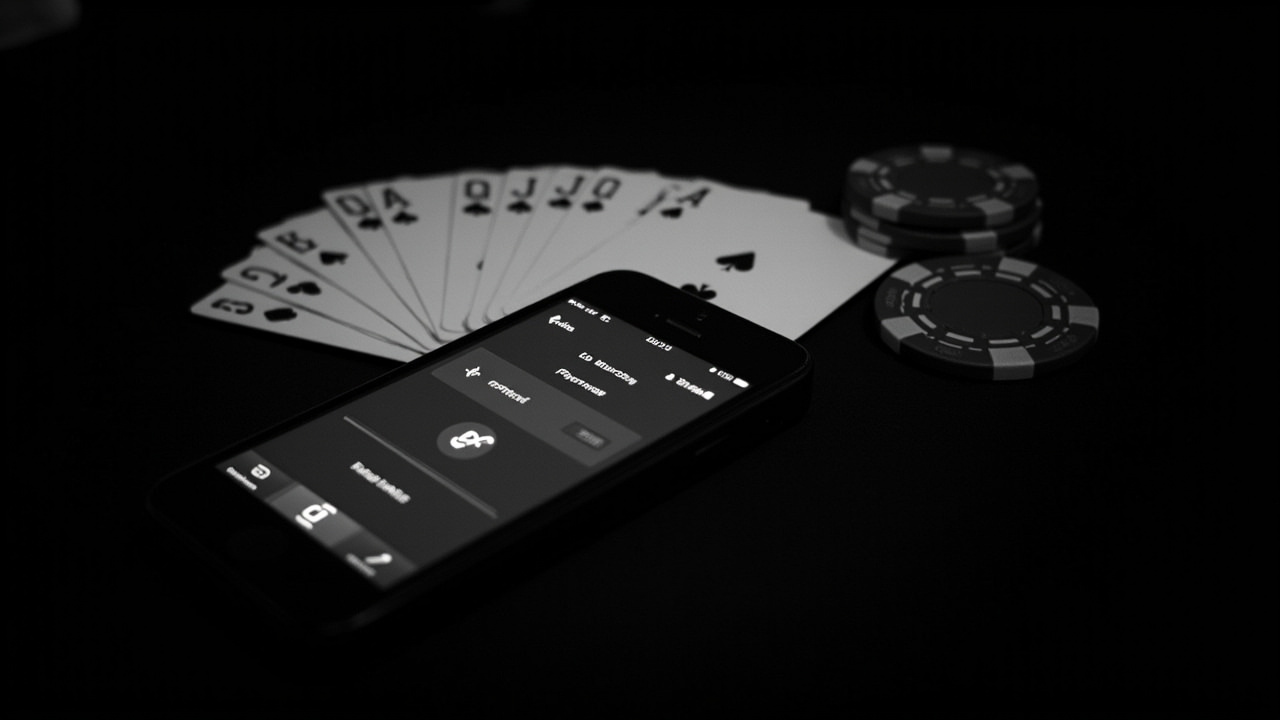
A sharp interface does more than look tidy; it gives you a readable map before you commit a single cent. You should be able to spot your balance, your active limits, and the exit button without hunting through menus, because a cluttered screen is a quiet invitation to overplay. I have watched commercial builds go sideways when design teams chase novelty and bury the controls that matter, so I judge a release by whether a tired punter can navigate it after a long shift at the worksite. The best Australian-facing builds borrow a lesson from FinTech dashboards: show the risk first, hide the glitter until you ask for it. You can test that discipline on a demo for gates of olympus super scatter demo before you put any money down, and you will quickly see whether the layout respects your time or just wants your click.
Every serious player needs a hard stop built into the session, not a vague promise to be careful. Set a loss limit in the account settings before you load the first game, and treat that figure like a fence you do not climb over when the mood turns. A good release makes that limit visible on the dashboard and refuses to let you bypass it without a fresh login and a cooling period. If a site hides those controls behind three sub-menus, walk away and find one that puts them on the front page where you can actually see them.
Read the Screen Like a Bookie Reads a Form Guide
You already know how to read a form guide before the State of Origin kicks off, so apply the same eye to the game panel in front of you. Check the return-to-player range, the volatility label if the builder supplies one, and the bet sizing controls before you spin, because guessing on those details is how a tidy session turns into a messy one. I have seen commercial strategies fail when teams assume players will figure it out on the fly; the ones that last treat clarity as a product feature, not an afterthought. A well-built panel tells you what it costs to play and what it might return, in plain language, without making you decode a wall of fine print.
Speed matters more than most punters admit, especially when you are juggling a beer, a phone, and a live line that is moving fast. A sluggish interface costs you decisions, and missed decisions compound into lost value faster than a bad call at the bar. Watch how the page loads on a patchy connection near the River Torrens on a humid afternoon, because a design that holds up there will hold up anywhere. If the buttons lag or the balance updates lag behind your bets, you are paying a hidden tax on every session and you should take that seriously.
Compare a Night at the Venue With a Session Online
You can feel the difference the moment you choose between a physical venue and a screen in your lounge. A venue gives you the noise, the crowd, and the social pressure that can push you to stay longer than you planned, while a digital session gives you control over pace, limits, and the ability to step away without walking through a doorway. The siciliano.us.com trade-off is simple: one offers atmosphere and immediate cash handling, the other offers privacy and clearer guardrails if you set them up properly. Use the comparison below to judge which environment suits the kind of session you want to run tonight.demo for gates of olympus super scatter demo
| Factor | Venue visit | Online session |
|---|---|---|
| Pace control | Fixed by the floor and the crowd | Set by you, with breaks on your schedule |
| Limit visibility | Usually at the counter or the desk | Built into the account dashboard if the build is honest |
| Atmosphere | Noise, drinks, social pressure | Quiet, private, easier to walk away from |
| Cash handling | Physical chips or notes, immediate handover | Deposits and withdrawals handled through the account flow |
The table shows the trade-offs plainly, and the point is not to crown a winner but to pick the right tool for the night. A venue suits a social session where you want the room and the rhythm, while a digital session suits a focused run where you want your limits front and centre. Either way, the design of the platform decides whether you stay in control or drift past it. You can read more on how operators approach that balance over at local business coverage, where the commercial side of these builds gets discussed in plain terms.
Build Your First Confident Session in Five Moves
A confident player is not a reckless one; confidence comes from a repeatable routine that you can run without thinking too hard. Start with a bankroll you can afford to lose, break it into session chunks, and decide the win target that would make you walk away satisfied. Treat each session like a small job with a start time, a stop time, and a clear result, because vague intentions turn into long nights and thin wallets. The routine below gives you a concrete path from login to logout, and you can run it on any honest build that puts the controls where they belong.
- Set a session bankroll and split it into three equal chunks so you never bet the whole pile on a single mood.
- Choose one game family and learn its bet range before you fund the account, because jumping between titles mid-session wastes focus and money.
- Place a loss limit and a time limit in the settings before the first spin, and leave them there even when the run feels hot.
- Track your results in a notes app or a pocket notebook so you can see whether the session was a good run or just a loud one.
- Close the session when you hit your limit or your target, not when you feel like you are on a lucky streak that must continue.
Watch What Happens After You Hit the Limits
The moment you reach a limit is the moment the design proves its worth, because that is when most players either walk away cleanly or start bending the rules. A well-built release asks you to confirm before you change a limit, adds a cooling period if you try to raise it mid-session, and makes the logout path visible instead of hiding it behind a menu. You should feel the pause in your hand, a small friction that gives your head time to catch up with your impulses. If the platform lets you lift a limit with a single tap and no delay, it is built for engagement, not for your bankroll, and you should treat that as a warning sign.
The next step after a clean stop is the one most punters skip, and it is where the real learning lives. Log the result, note what triggered the stop, and decide whether you will run the same setup again or adjust the bet sizing before the next session. That short review turns a random night into a pattern you can read, and patterns are what separate a confident player from a hopeful one. You can see how other operators handle that handoff by checking the commercial side of the market over at industry analysis, where the design choices behind these flows get debated openly.
Judge a Release the Way a Commercial Builder Would
I have spent enough time in corporate development across iGaming and adjacent markets to know that a flashy launch means little if the underlying controls are weak. Judge a release by whether it makes your limits easy to set, your balance hard to ignore, and your exit path obvious when the session turns sour. The best builds borrow from FinTech discipline: they show you the cost of a mistake before you make it, and they do not hide the boring safeguards behind a curtain of animation. You can tell a lot by watching how a platform behaves when you try to do the responsible thing, because that is the moment the design stops performing and starts revealing its priorities.
Ella Mitchell, Compliance Director, Southern Reef Gaming, puts it straight: a platform that makes responsible limits hard to find is not a design problem, it is a commercial choice, and players should read that choice clearly before they fund an account. She also warns that a smooth-looking interface can still bury the settings that matter, so the polish on the front page is not a substitute for the controls you actually use. Her point lands because compliance is not a badge to display; it is a set of habits the product must support every time you log in.
A sleek design casino release Australia only earns its name when it helps you play with your eyes open and your limits intact. The best way to test that claim is to run a short session on a build that puts the controls on display, watch how it behaves when you try to stay disciplined, and decide whether it respects your time or just wants your click. If it does the former, you have found a platform worth returning to; if it does the latter, you have saved yourself a bad night and a thinner wallet. The next time you sit down near the Torrens with a cold drink and a clear head, you will know exactly which kind of screen you are dealing with.
İçindekiler
Comments are closed